
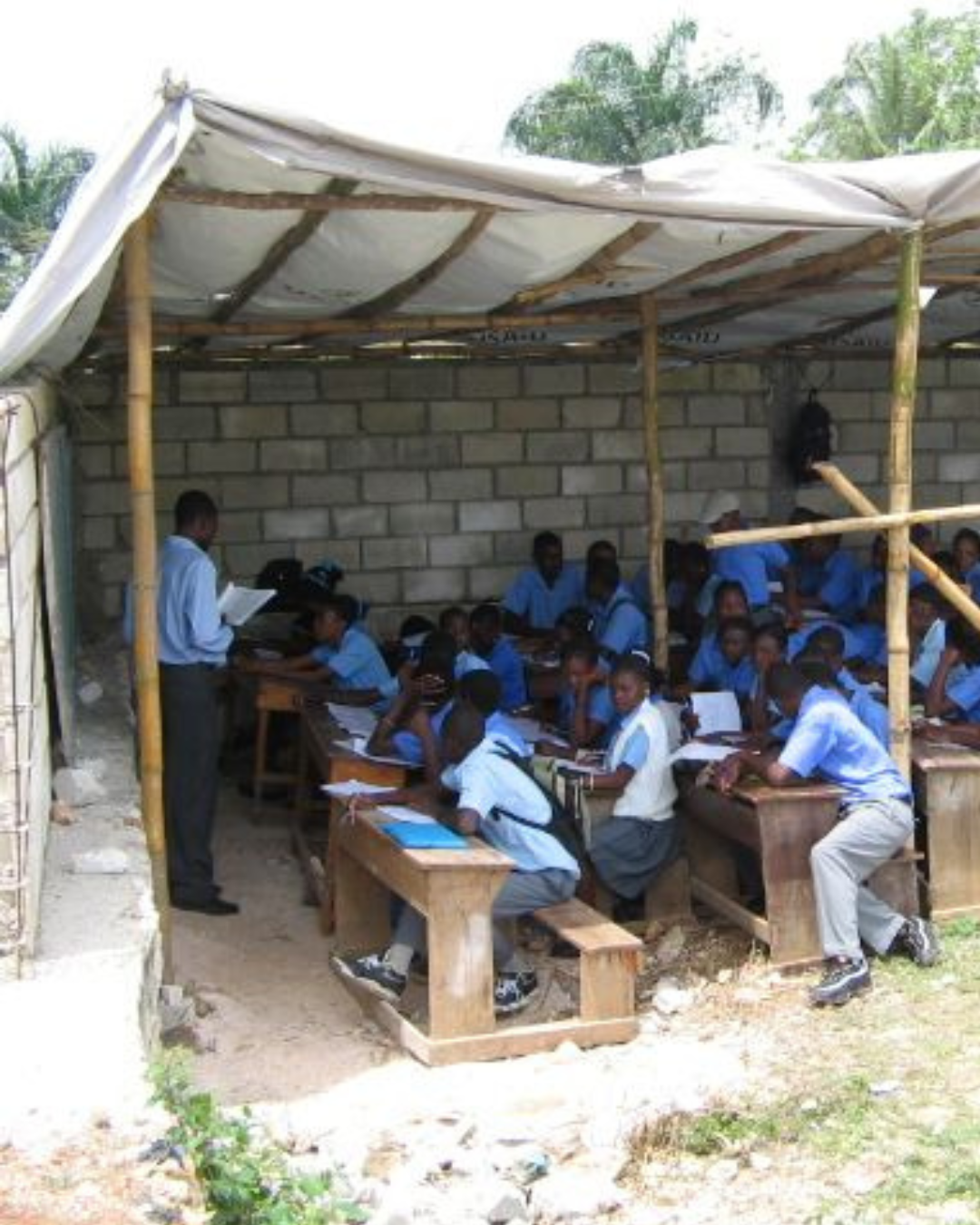
Severe shortages of classroom space results in class sizes that sometimes triple the prescribed teacher-pupil ratio for Cameroon of 1:45 (World Bank, 2008). Many schools lack the essential infrastructure to enable them function as safe, efficient and effective schools.
The condition, location and nature of school infrastructure have an impact on access and quality of education; the closer a school is to children's homes, the more likely they are to attend, both because of distance and safety issues. Likewise, where the quality of infrastructure (particularly water and sanitation facilities) is improved, enrolment and completion rates tend to rise while teacher absenteeism drops. The availability and condition of school facilities also influence learning outcomes.
BBEEA's Approach: Given the need for infrastructure and the limited resources available, Best Brains Educational Empowerment Association (BBEEA) infrastructure development programme aims to improve learning outcomes and increase girl child enrolment by creating superior learning environments through renovation of existing structures, building of new structures, and provision of water and toilet facilities which would improve hygiene and sanitation levels in all adopted schools. The Foundation employs the Community-Based Renovation Approach (CBRA), working with School Based Management Committees to increase community involvement, empower local artisans and reduce project costs.
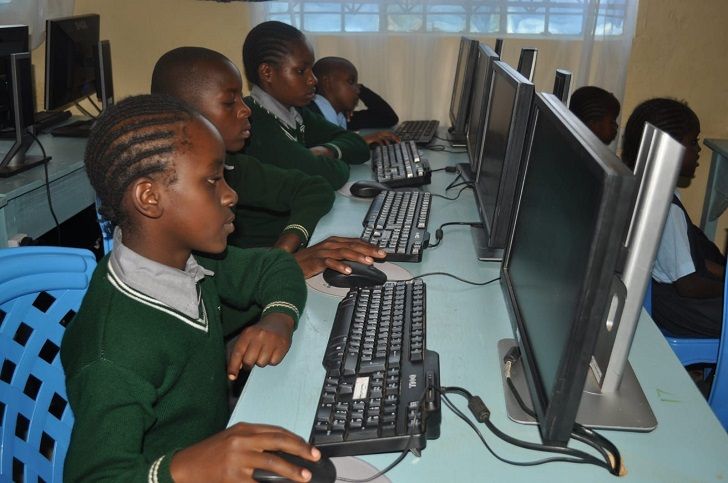
In 2009, the Cameroon Government added Information and Communication Technology (ICT) to the basic education curriculum. However, power failures, insufficient computer systems and unskilled teachers have contributed to the lack of ICT knowledge among children in public primary schools.
ICT is important because it contributes to equity in education, improves the delivery of quality learning and teaching, teachers' professional development and more efficient education management, governance and administration.
BBEEA's ICT Initiative: Best Brains Educational Empowerment Association (BBEEA) plans to meet the existing gaps in the implementation of ICT and low levels of reading capacities through the establishment of ICT/Creative Centres in its adopted schools. The ICT centres provide digital resources to meet the learning needs of different age groups. The ICT centres will do the following:
Early childhood education (ECE) is concentrated in urban areas, with rural access limited due to costs and lack of infrastructure, though participation rates have historically fluctuated and were notably low in the late 1990s due to economic challenges.
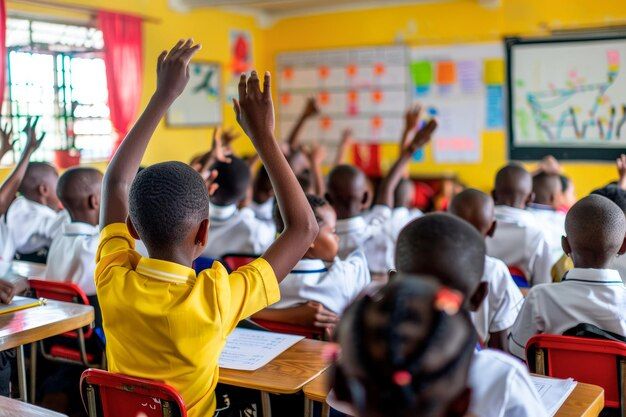
In 2019, the total enrollment in pre-primary education was over 542,000 children, but this figure was declining from previous years. While the overall education sector faces disparities, ECE remains particularly inaccessible for many, especially in rural and impoverished communities, leading to significant disparities in development and future academic performance for children from disadvantage background.
Research has shown that the first thousand days of a child's life is critical for future well-being. The effects of neglect in these formative years can be cumulative and lasting.
BBEEA's ECE Program: To support its commitment to primary education, Best Brains Educational Empowerment Association (BBEEA) upgrades and where necessary, establishes ECE Centres in its adopted schools, to meet the needs of pupils aged 5 years and below to develop the cognitive abilities they need to learn based on the approved curriculum. This curriculum stipulates Physical development, Affective/Psychosocial Development, Cognitive Development, Food and Nutrition, Health, Water and Environmental Sanitation, Safety Measures and Child Protection. Teachers for these classes have their capacity built in ECE curriculum/application and use of participatory and collaborative teaching.
The programme has been designed to achieve the following objectives:
Best Brains Educational Empowerment Association (BBEEA) partners with various organizations (internationally and locally) including Government agencies that possess the technical expertise to establish and strengthen the programme in areas as required, such as capacity building for Teachers and Care givers, provision of Teaching aids, soft furniture, toys, books resources that would make learning easy and fun both for the Teachers and pupils
Research show that thousands of children and students are out of school because of cost related factors even though education is nominally free. While public primary education in Cameroon is free, there are fees that impact students
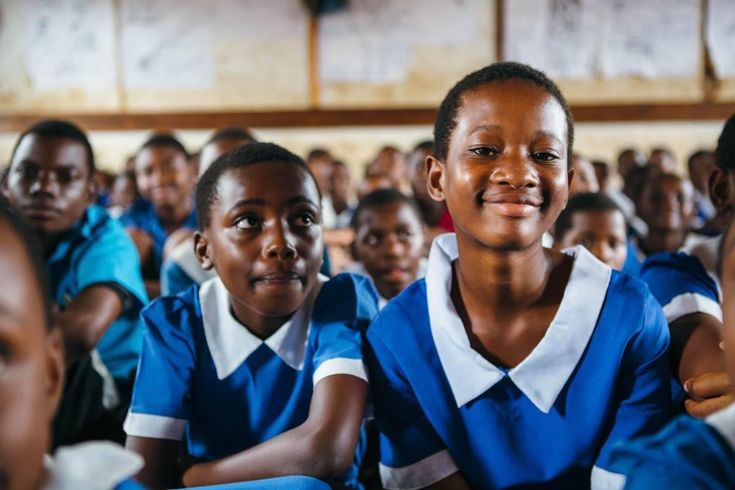
These include transportation, books, uniforms and examination fees. Due to the additional costs, many students find attending school increasingly difficult and either do not enroll in secondary school, university or drop out.
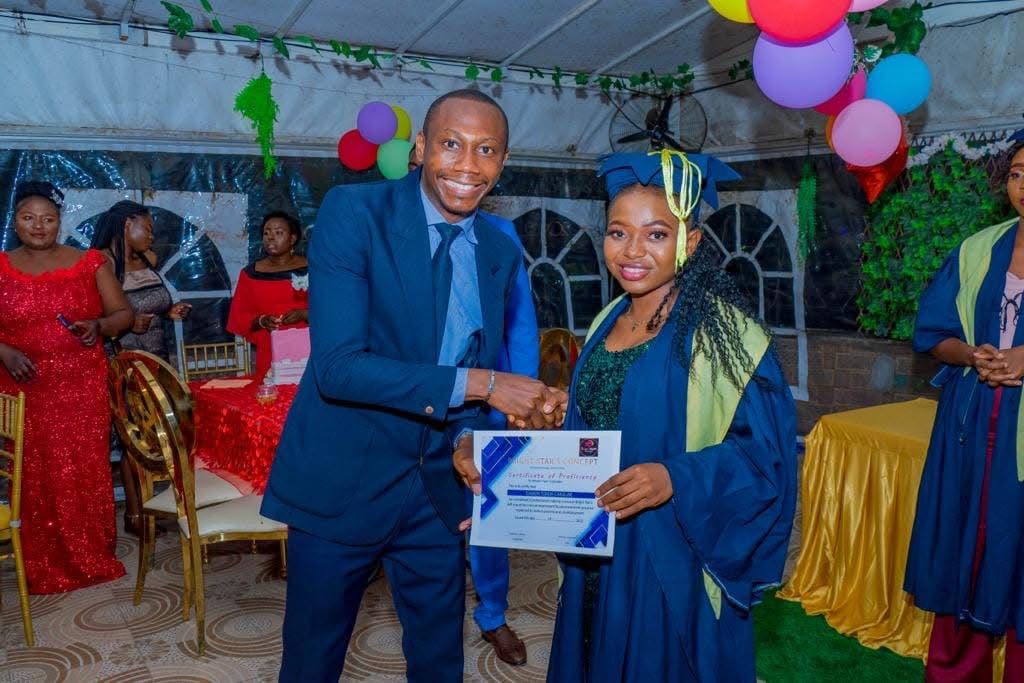
BBEEA Scholars Programme: BBEEA Scholars Programme annually awards scholarships to three best performing final year students from each adopted school to ease their transition to secondary school and university. The award covers tuition where applicable and other expenses which include transportation, study materials and uniforms. The programme supports children who have excelled in their academics to transit to Secondary School and university whilst building a culture of excellence among children in BBEEA adopted schools.
Scholars are identified by the Foundation in partnership with the GCE board, school heads, representatives, and Local Government Education Authorities. They are selected based on an aggregate of their primary five (5) and primary six (6) results (continuous assessment & exam) and the State- level Secondary school placement examinations. Awardees must maintain an annual average performance of 80% in all subjects to remain in the scheme.
According UNICEF Yaoundé, April 16, 2025 marks a historic day for young girls and communities across Cameroon. UNICEF, under the leadership of the Ministry of Women's Empowerment and the Family, in collaboration with MINJEC and other United Nations agencies, has launched the Girls' Movement in Cameroon.

Girls in Cameroon face numerous challenges that hinder their development and well-being, including gender discrimination, early marriages, vulnerability to HIV, and gender-based violence. They also suffer from nutritional problems and cultural taboos related to menstrual hygiene, which limit their access to education and healthcare. These obstacles highlight opportunities for targeted initiatives aimed at improving their situation and promoting their empowerment.
BBEEA's Commitment:
This initiative is a platform for young girls to share their visions and aspirations, and for partners to reiterate their commitment to promoting girls' rights.
Grassroots' support is crucial to meeting to overcoming the security and other challenges associated with school enrolment and retention in Cameroon. Involving local communities in initiatives to safeguard education is crucial in protecting the children.
Advocacy is an essential strategy in getting out-of-school children back to school and keeping vulnerable girls in school. Best Brains Educational Empowerment Association (BBEEA) facilitates engagements with relevant stakeholders at various tiers of government to promote policies and solicit counterpart contributions for improved programme outcome. The Foundation works in partnership with the community and government agencies charged with delivery of basic education including as the State Universal Basic Education Boards, the State Ministries of Education, the Local Government Education Authorities and the school management to ensure effective programme implementation, monitoring, and replication (where required) across other non-adopted schools in the state. Involving the community in projects the Foundation undertakes helps establish a sense of ownership and community participation, which in turn enhances sustainability of the project